Gulf Jobs for Bangladeshi Workers in 2026: How Their Talent Is Shaping the GCC
1. The Numbers First — Because They Tell the Story
These are not estimates. These are official figures from the Bureau of Manpower Employment and Training (BMET) — the Government of Bangladesh's official body that tracks all overseas employment.
Over 1.1 million Bangladeshi workers found overseas jobs in 2025 — more than three quarters of them went to the Middle East
Saudi Arabia alone received 752,715 Bangladeshi workers in 2025
Qatar received 107,472 and Kuwait received 72,717 in the same period
The UAE is one of the fastest-growing destinations for Bangladeshi workers in construction and facility management
Gulf employment powered 46% of Bangladesh's total remittances in 2025
2. Why GCC Employers Specifically Seek Bangladeshi Workers
This is something employers across the Gulf will tell you openly. Bangladeshi workers have built a strong and consistent reputation in specific roles and that reputation drives repeat hiring year after year.
Reliability in high-volume roles - cleaning, sanitation, and FM support contracts often require large teams working to tight schedules. Bangladeshi workers are known for showing up and getting the job done consistently
Strong work ethic in physically demanding roles - construction labour, road work, and landscaping roles see high performance and retention among Bangladeshi workers across GCC sites
Cost-effective for FM contracts for facility management companies running large cleaning and support contracts across Saudi Arabia and the UAE, Bangladeshi workers are a proven and practical workforce solution
Speed of mobilisation, Bangladesh has a large ready pipeline of workers with valid passports and BMET registration, which means faster deployment for time-sensitive projects
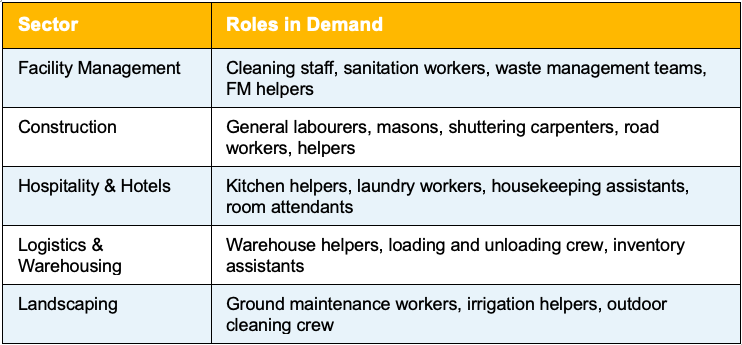
3. Which Sectors and Trades Are Most in Demand Across the GCC
For both Bangladeshi candidates and GCC employers: These are the roles with the highest active demand in Saudi Arabia, UAE, Qatar, and Kuwait right now
4. How Max International Sources Bangladeshi Workers for GCC Projects
If you are a FM contractor or construction company in Saudi Arabia, UAE, Qatar, or Kuwait looking to hire Bangladeshi workers: Here is what working with Max International looks like in practice.
We source directly from Bangladesh at our testing centre. Every Bangladeshi worker we place goes through a clear verification process before they travel:
Background and identity verification
Skills assessment for trade-specific roles
Medical clearance before departure
Full visa and documentation support — handled end to end process
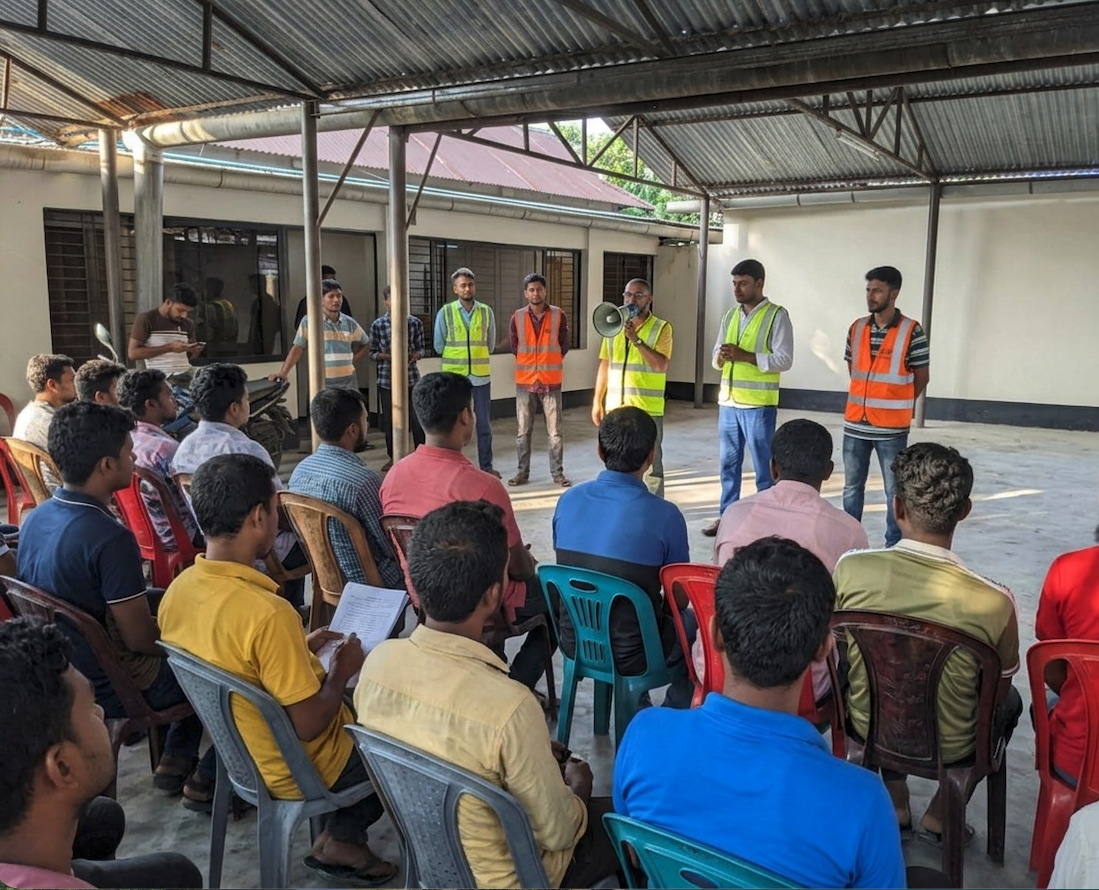
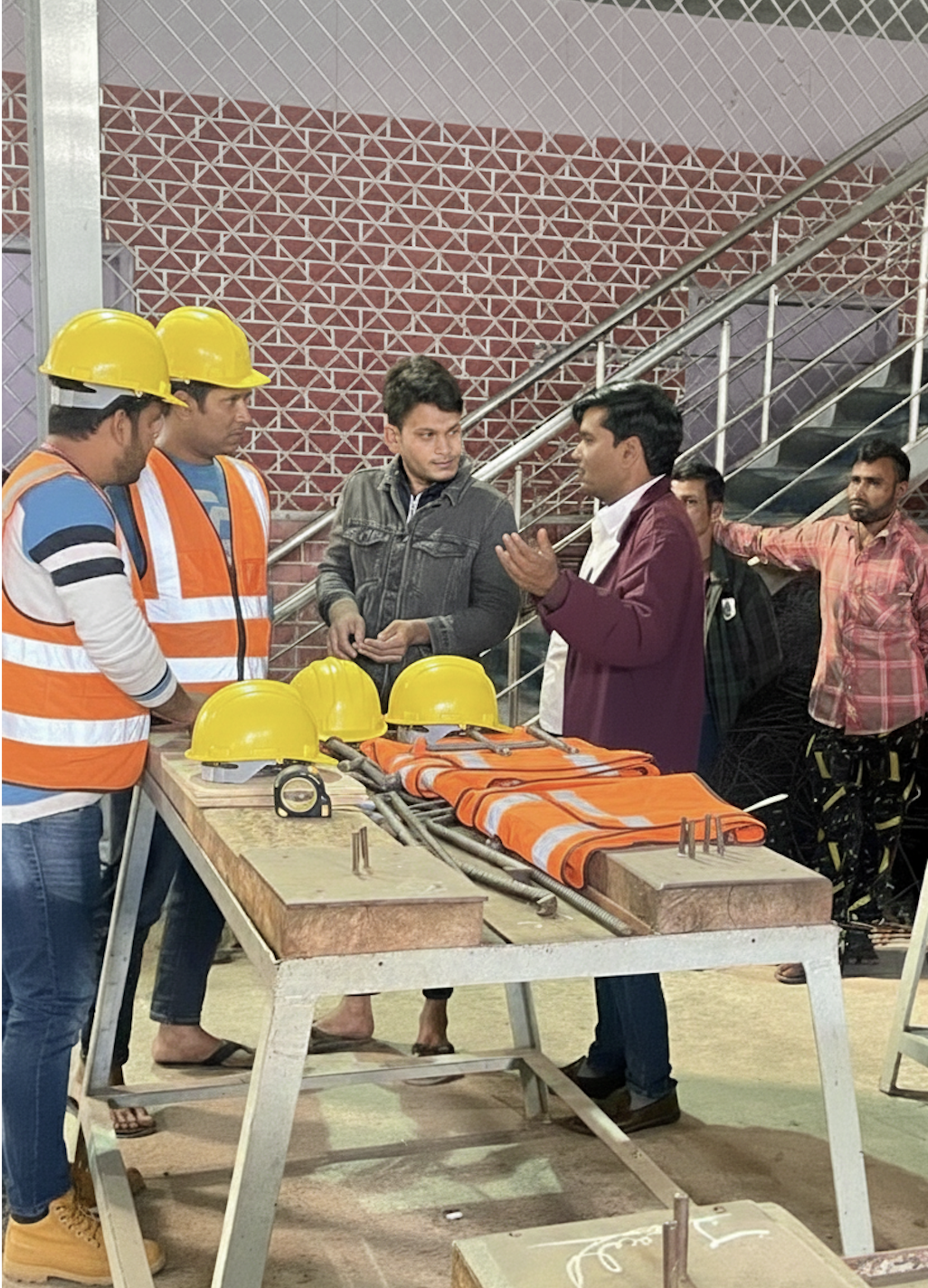
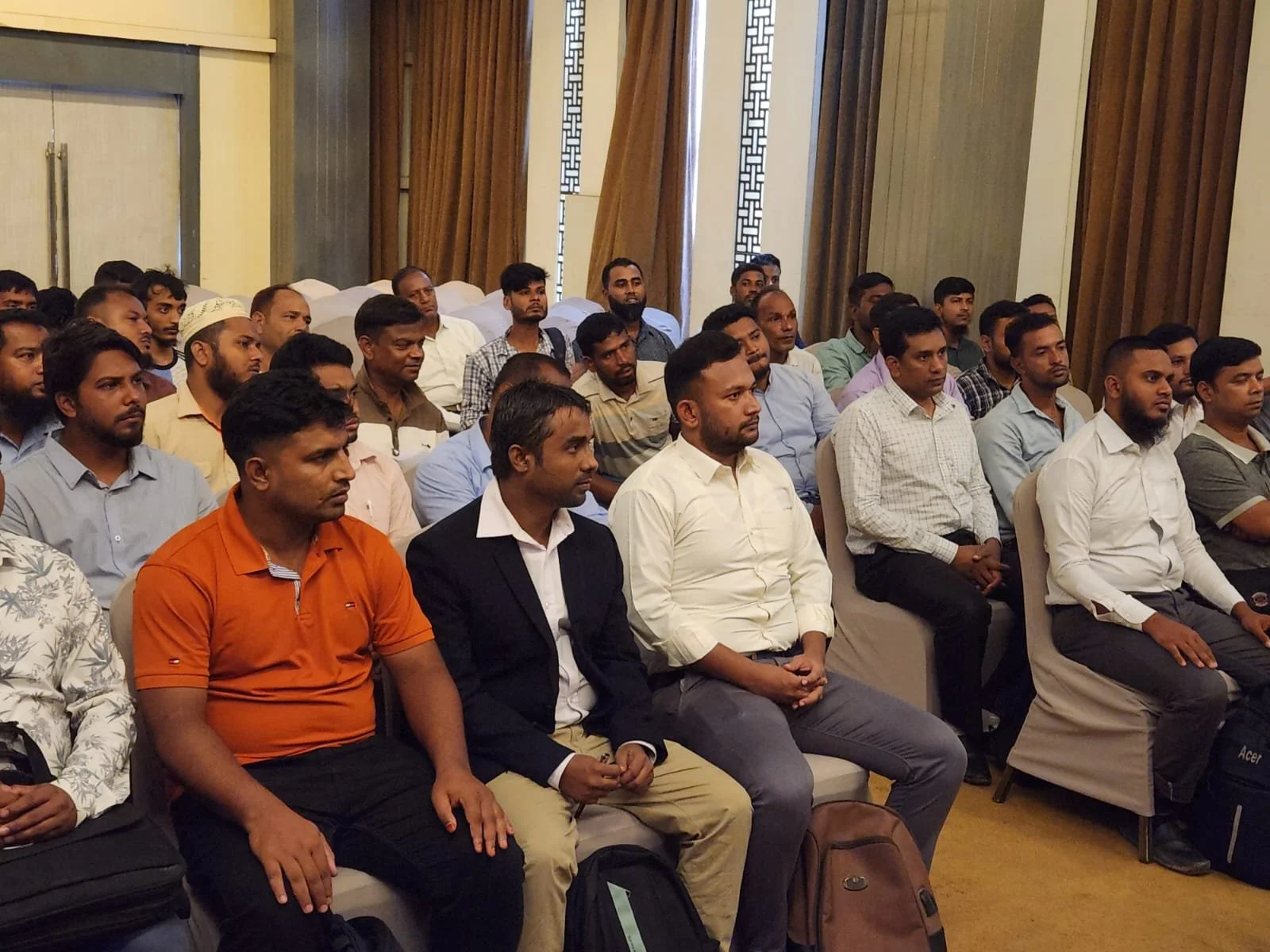
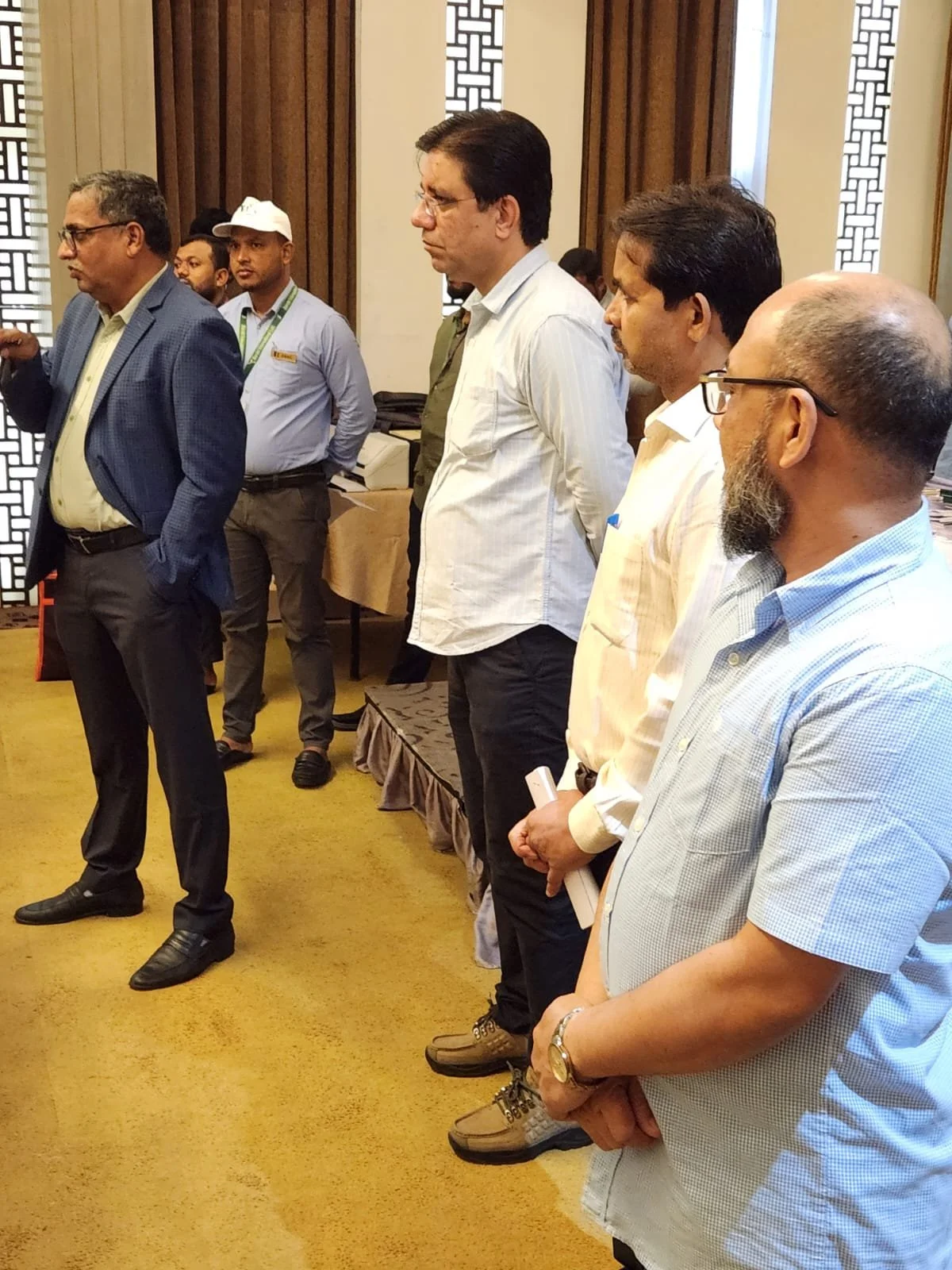
Whether you need 20 cleaning staff or 200 general workforce for a large construction or FM contract, we build the team around your specific requirements and timeline. Max International also recruits from India, Nepal, and Sri Lanka. So if your project needs a mix of nationalities across different roles, we handle all of it through a single point of contact. No need to manage multiple agencies.
Frequently Asked Questions
Q: How quickly can Bangladeshi workers be mobilised for a GCC project?
With documents ready and a licensed agency, standard mobilisation including documentation, medical clearance, visa, and ticketing typically takes 4 to 8 weeks from job order confirmation. Bulk orders can sometimes be expedited depending on destination country and visa availability.
Q: Do Bangladeshi workers need specific certifications for GCC construction or FM roles?
For general labour and cleaning roles, basic trade experience and a medical fitness certificate are the main requirements. For more specialised roles, GCC employers may require trade-specific certifications, valid Gulf medical fitness clearance, and safety training such as NEBOSH or IOSH for supervisory positions.
Q: Can one agency source different nationalities for the same project?
Yes, and this is important for large FM or construction contracts that need a mix of roles. Max International recruits from Bangladesh, India, Nepal, and Sri Lanka, so employers can fill different roles with the most suitable nationality through a single point of contact.
Q: What documents does an employer need to start the recruitment process?
To begin recruiting Bangladeshi workers for a GCC project you will typically need a valid trade licence, a block visa or demand letter from the destination country's labour authority, and a signed employment contract template. Max International guides employers through each of these requirements.
Q: Is it cheaper to hire from Bangladesh compared to other South Asian countries?
Cost varies by role, volume, and destination country rather than nationality alone. What matters more is finding the right fit for each role. For high-volume cleaning, sanitation, and general labour roles, Bangladeshi workers are consistently among the most cost-effective and reliable options available to GCC employers.